
Food and Cooking
Seasonal Eating: What to Cook in Spring, Summer, Fall, and Winter
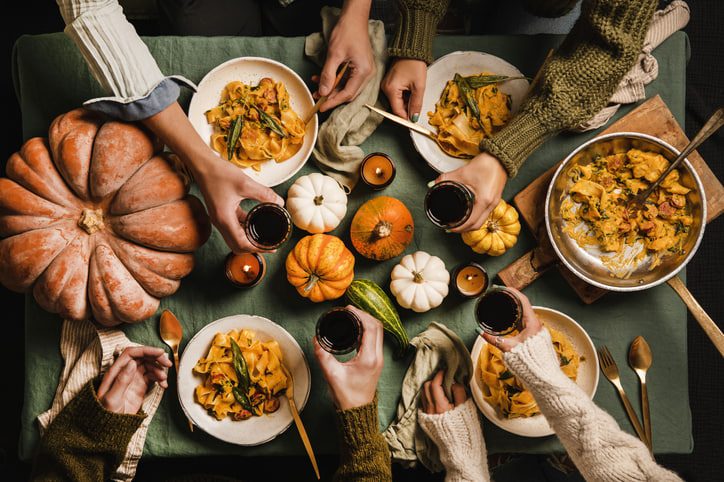
Seasonal eating is more than a food trend—it’s a simple way to elevate your meals, support local growers, and enjoy produce at its peak flavor. Each season brings its own vibrant ingredients, from spring’s fresh greens to summer’s juicy fruits, fall’s hearty vegetables, and winter’s comforting staples. Knowing what’s in season helps you cook smarter, save money, and create dishes that taste naturally better. In this guide, we’ll explore what to cook throughout the year, highlight the best seasonal ingredients, and show you how to make the most of each season’s unique offerings.

Spring Produce: Fresh, Light Ingredients to Wake Up Your Menu
Spring ushers in a renewed sense of freshness, bringing with it crisp, tender ingredients that help lighten and brighten your meals. As the weather warms, produce like asparagus, peas, radishes, leafy greens, and strawberries begin to flourish, offering vibrant flavors and delicate textures. These seasonal ingredients lend themselves perfectly to light salads, quick sautés, and simple dishes that highlight their natural freshness. Spring foods are often packed with vitamins and antioxidants, making them a delicious way to boost your energy after winter’s heavier meals. Incorporating spring produce into your cooking is an easy way to refresh your menu and celebrate the return of color and vitality to your plate.
Summer’s Bounty: Colorful Fruits and Vegetables at Their Peak
Summer is the season when produce truly shines, offering an abundance of vibrant colors, bold flavors, and refreshing textures. From sun-ripened tomatoes and sweet corn to juicy peaches, berries, and crisp cucumbers, everything tastes a little brighter this time of year. These ingredients aren’t just delicious—they’re packed with nutrients that thrive under the summer sun, making your meals naturally healthier. Whether you’re tossing together a fresh salad, firing up the grill, or blending a cool smoothie, summer’s bounty gives you endless opportunities to get creative in the kitchen. Embracing what’s in season not only elevates the taste of your dishes but also supports local growers and reduces your environmental footprint.
Fall Flavors: Hearty Ingredients for Cozy Cooking
Fall brings a shift toward deeper, richer flavors, making it the perfect season for hearty, comforting meals. As temperatures cool, ingredients like pumpkins, squash, sweet potatoes, mushrooms, and apples take center stage. These earthy, nutritious foods add warmth and substance to everything from soups and stews to roasted dishes and baked treats. Fall produce is naturally satisfying, offering a balance of sweetness, nuttiness, and robust texture that pairs beautifully with cozy spices like cinnamon, sage, and nutmeg. Cooking with seasonal fall ingredients not only enhances flavor but also helps you create meals that feel grounding and comforting during shorter, colder days.
Winter Essentials: Root Vegetables, Citrus, and Comfort Foods
Winter’s ingredients bring a comforting balance of richness and brightness to your meals. Root vegetables like carrots, parsnips, potatoes, and beets thrive in cold weather, developing a natural sweetness that makes them perfect for roasting, soups, and stews. Alongside them, winter citrus—such as oranges, grapefruits, and mandarins—adds a refreshing burst of acidity that cuts through heavier dishes and keeps your meals vibrant. These seasonal staples are not only flavorful but also nutrient-dense, helping you stay energized during long, chilly months. From hearty casseroles to zesty salads and warm, nourishing bowls, winter’s essentials offer everything you need to create meals that are both comforting and uplifting.
Conclusion
Seasonal eating is a simple way to make your meals fresher, healthier, and more flavorful year-round. By choosing ingredients at their peak, you enjoy better taste, support local growers, and cook more sustainably. Embrace each season’s unique offerings to keep your menu exciting, nourishing, and naturally delicious.
Food and Cooking
Journey Through Global Flavors
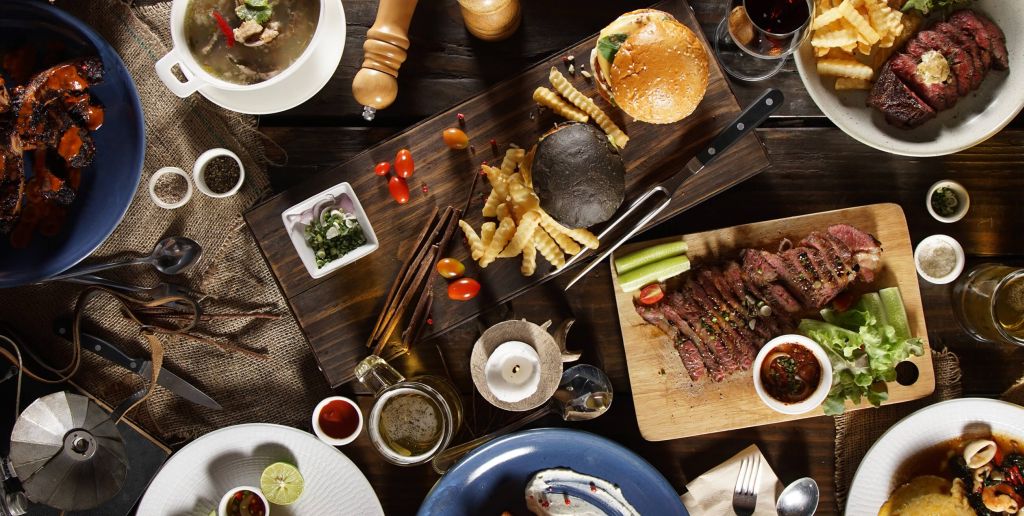
In a world teeming with diverse cultures and traditions, food serves as a universal language that brings people together. The exploration of cultural cuisine is not just about tasting new dishes; it’s a journey into the heart of different societies, their histories, and their ways of life. This article delves into the fascinating world of cultural cuisine exploration, highlighting its significance, benefits, and some must-try dishes from around the globe.
The Significance of Cultural Cuisine Exploration
Cultural cuisine exploration is more than a gastronomic adventure; it’s an educational experience. Each dish tells a story, often reflecting the geography, climate, and history of its origin. For instance, the spices in Indian curries are a testament to the country’s historic spice trade, while the simplicity of Japanese sushi showcases the nation’s appreciation for fresh, high-quality ingredients.
Engaging with different cuisines allows us to appreciate and respect the diversity of our world. It broadens our palate and exposes us to new flavors and cooking techniques. Moreover, it fosters cultural understanding and empathy, as we learn about the traditions and values of other communities through their food.
Benefits of Cultural Cuisine Exploration
- Broadened Culinary Horizons: Trying new foods expands your culinary repertoire. You discover new ingredients, cooking methods, and flavor combinations that you can incorporate into your own cooking.
- Cultural Appreciation: Food is an integral part of cultural identity. Exploring different cuisines helps you appreciate the cultural significance behind various dishes and cooking practices.
- Health Benefits: Many traditional diets are balanced and nutritious. For instance, the Mediterranean diet, rich in fruits, vegetables, and healthy fats, is renowned for its health benefits.
- Social Connection: Food brings people together. Whether it’s sharing a meal with friends or participating in a cooking class, cultural cuisine exploration is a social activity that can strengthen bonds and create lasting memories.
Must-Try Dishes from Around the World
Italian: Risotto
Italian cuisine is beloved worldwide for its rich flavors and comforting dishes. Risotto, a creamy rice dish cooked with broth until it reaches a velvety consistency, is a must-try. Commonly flavored with Parmesan cheese, butter, and onions, risotto can also include a variety of ingredients such as mushrooms, seafood, or saffron.
Mexican: Tacos al Pastor
Tacos al Pastor is a classic Mexican street food that has gained international fame. Made with spit-grilled pork marinated in a blend of chilies, spices, and pineapple, it’s served on a corn tortilla and topped with onions, cilantro, and a squeeze of lime. This dish exemplifies the bold, vibrant flavors of Mexican cuisine.
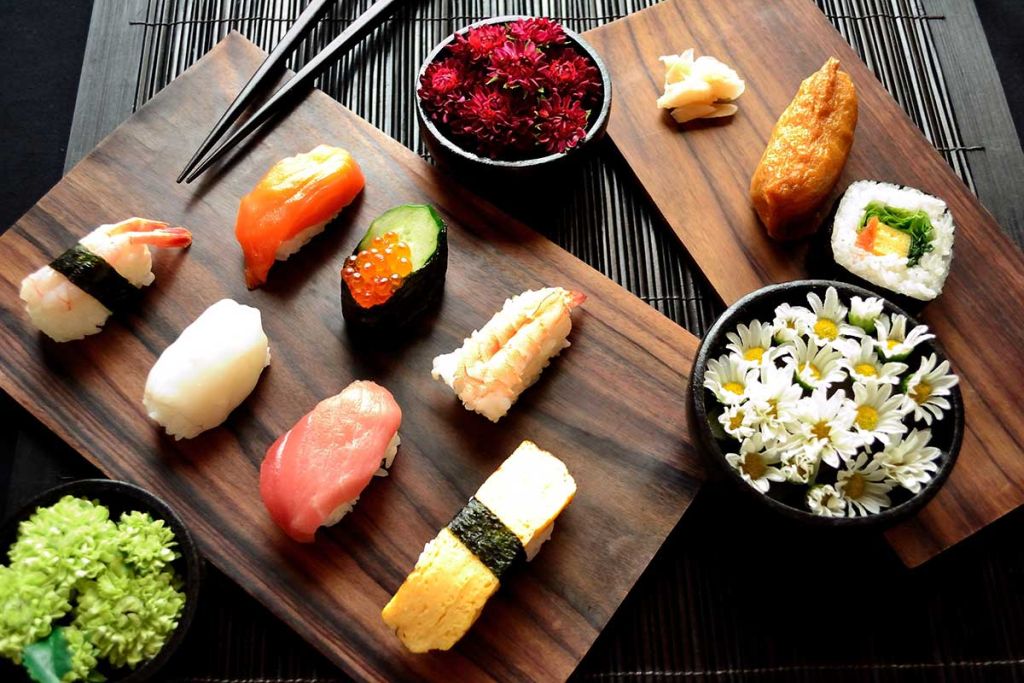
Japanese: Sushi
Sushi, a quintessential Japanese dish, is both an art and a culinary delight. It typically consists of vinegared rice, raw or cooked seafood, and vegetables, all meticulously prepared and presented. Sushi not only highlights the freshness of its ingredients but also emphasizes balance and harmony, core principles of Japanese culture.
Indian: Butter Chicken
Butter chicken, or Murgh Makhani, is a staple of Indian cuisine. This rich and creamy dish features marinated chicken cooked in a tomato-based curry sauce with butter and cream. It’s often served with naan bread or basmati rice, making it a comforting and flavorful meal.
Thai: Pad Thai
Pad Thai is a popular Thai street food that has become a favorite around the world. This stir-fried noodle dish combines rice noodles, tofu or shrimp, eggs, and bean sprouts, tossed in a tangy tamarind sauce and garnished with crushed peanuts and lime. Its sweet, sour, and savory flavors create a harmonious balance that is quintessentially Thai.
Moroccan: Tagine
Tagine is a North African stew named after the earthenware pot in which it is traditionally cooked. It often includes meat (such as lamb or chicken), vegetables, dried fruits, and a variety of spices like cumin, coriander, and cinnamon. The slow-cooking method allows the flavors to meld together, creating a rich and aromatic dish.
French: Coq au Vin
French cuisine is renowned for its sophistication and technique. Coq au Vin, a classic French dish, features chicken braised in red wine with mushrooms, onions, and garlic. This hearty dish is a testament to the French art of slow cooking and layering flavors.
Ethiopian: Injera with Doro Wat
Injera, a spongy flatbread made from teff flour, is a staple in Ethiopian cuisine. It’s typically served with a variety of stews, including Doro Wat, a spicy chicken stew made with berbere spice blend and hard-boiled eggs. Eating with your hands, using injera to scoop up the stew, adds to the communal and immersive dining experience.
Conclusion
Cultural cuisine exploration offers a gateway to understanding and appreciating the world’s diverse cultures. By tasting and learning about different dishes, we embark on a journey that transcends geographical boundaries, bringing us closer to the heart of each culture. Whether you’re a seasoned foodie or just beginning your culinary adventure, these global dishes are sure to inspire and delight your palate. So, grab your fork, spoon, or chopsticks, and start your cultural cuisine exploration today!
Food and Cooking
Cooking for Special Diets

In today’s diverse culinary landscape, cooking for special diets has become increasingly common. Whether catering to allergies, lifestyle choices, or health conditions, preparing meals that meet specific dietary requirements is essential for many people. This guide delves into various special diets, offering tips, recipes, and insights to help you cook delicious and nutritious meals for everyone at your table.
Understanding Special Diets
Special diets vary widely, but they generally fall into a few main categories: food allergies and intolerances, medical conditions, and lifestyle choices. Understanding the basics of each can help you create meals that meet specific needs without sacrificing flavor or nutrition.
Food Allergies and Intolerances
Food allergies and intolerances are immune system reactions to certain foods. Common allergens include:
- Gluten: Found in wheat, barley, and rye, gluten can cause serious health issues for those with celiac disease or gluten sensitivity.
- Dairy: Lactose intolerance and dairy allergies require the avoidance of milk, cheese, and other dairy products.
- Nuts: Nut allergies can be life-threatening and necessitate the complete exclusion of nuts from the diet.
- Shellfish: Shellfish allergies require avoiding shrimp, crab, and other similar seafood.
Medical Conditions
Certain medical conditions necessitate specific dietary adjustments:
- Diabetes: Managing blood sugar levels is crucial for diabetics, requiring a focus on low-glycemic foods and controlled carbohydrate intake.
- Heart Disease: A heart-healthy diet emphasizes low-fat, low-cholesterol foods, rich in fruits, vegetables, and whole grains.
- Kidney Disease: Individuals with kidney disease may need to limit protein, sodium, and potassium intake.
Lifestyle Choices
Many people choose specific diets for ethical, environmental, or health reasons:
- Vegan: Excludes all animal products, including meat, dairy, eggs, and honey.
- Vegetarian: Avoids meat but may include dairy and eggs.
- Paleo: Focuses on whole, unprocessed foods that would have been available to our pre-agricultural ancestors.
- Keto: High in fat, moderate in protein, and very low in carbohydrates, this diet aims to put the body into a state of ketosis.
Cooking for Special Diets
Cooking for special diets involves careful planning and a willingness to experiment with substitutions and new ingredients. Here are some practical tips and recipes to get you started.
Tips for Success
- Read Labels Carefully: Always check ingredient lists for hidden allergens or non-compliant ingredients.
- Stock Your Pantry: Keep essential ingredients for the diet you’re catering to on hand. For example, gluten-free flours, dairy-free milk, or plant-based proteins.
- Learn Substitutions: Familiarize yourself with common substitutes, such as using applesauce instead of eggs in baking or coconut aminos in place of soy sauce.
- Experiment with Recipes: Don’t be afraid to try new recipes and adapt old favorites to fit dietary needs.
- Cross-Contamination Awareness: Be mindful of cross-contamination, especially with severe allergies. Use separate utensils, cutting boards, and cookware when necessary.

Gluten-Free Recipe: Quinoa and Veggie Stir-Fry
This gluten-free stir-fry is packed with nutrients and flavor, making it a perfect meal for those avoiding gluten.
Ingredients:
- 1 cup quinoa
- 2 cups water
- 1 tablespoon olive oil
- 1 bell pepper, sliced
- 1 zucchini, sliced
- 1 carrot, julienned
- 1 cup broccoli florets
- 2 cloves garlic, minced
- 1/4 cup gluten-free soy sauce
- 1 tablespoon sesame oil
- 1 teaspoon ginger, grated
- Green onions and sesame seeds for garnish
Instructions:
- Rinse quinoa under cold water. Combine quinoa and water in a pot and bring to a boil. Reduce heat, cover, and simmer for 15 minutes, or until water is absorbed.
- In a large pan, heat olive oil over medium heat. Add garlic and ginger, sautéing until fragrant.
- Add bell pepper, zucchini, carrot, and broccoli. Cook until vegetables are tender-crisp.
- Stir in cooked quinoa, soy sauce, and sesame oil. Mix well and cook for an additional 2-3 minutes.
- Garnish with green onions and sesame seeds before serving.
Dairy-Free Recipe: Creamy Cashew Alfredo Pasta
This dairy-free Alfredo pasta uses cashews to create a rich and creamy sauce that rivals the traditional version.
Ingredients:
- 1 cup raw cashews, soaked overnight
- 1 cup water
- 2 cloves garlic
- 1 tablespoon nutritional yeast
- Juice of 1 lemon
- Salt and pepper to taste
- 8 ounces pasta of choice (gluten-free if needed)
- 1 tablespoon olive oil
- 1 cup mushrooms, sliced
- 1 cup spinach
Instructions:
- Cook pasta according to package instructions.
- Drain and rinse soaked cashews. In a blender, combine cashews, water, garlic, nutritional yeast, lemon juice, salt, and pepper. Blend until smooth.
- In a pan, heat olive oil over medium heat. Add mushrooms and sauté until tender.
- Add spinach and cook until wilted.
- Stir in cashew Alfredo sauce and cooked pasta. Mix well and heat through.
- Serve immediately, garnished with additional nutritional yeast if desired.
Vegan Recipe: Chickpea and Sweet Potato Curry
This hearty vegan curry is full of flavor and perfect for a satisfying meal.
Ingredients:
- 1 tablespoon coconut oil
- 1 onion, diced
- 3 cloves garlic, minced
- 1 tablespoon ginger, minced
- 1 tablespoon curry powder
- 1 teaspoon turmeric
- 1 can coconut milk
- 1 can diced tomatoes
- 1 sweet potato, cubed
- 1 can chickpeas, drained and rinsed
- 1 cup spinach
- Salt and pepper to taste
- Fresh cilantro for garnish
Instructions:
- In a large pot, heat coconut oil over medium heat. Add onion, garlic, and ginger, sautéing until fragrant.
- Stir in curry powder and turmeric, cooking for an additional minute.
- Add coconut milk, diced tomatoes, sweet potato, and chickpeas. Bring to a simmer and cook until sweet potato is tender, about 20 minutes.
- Stir in spinach and cook until wilted.
- Season with salt and pepper. Garnish with fresh cilantro before serving.
Conclusion
Cooking for special diets may seem challenging at first, but with the right knowledge and resources, it can be a rewarding experience. By understanding the basics of various diets and learning how to adapt recipes, you can create delicious and inclusive meals that cater to everyone’s needs. Whether you’re cooking for allergies, medical conditions, or lifestyle choices, this guide provides a starting point for culinary success. Embrace the adventure of cooking for special diets, and discover new flavors and techniques along the way.
Food and Cooking
Best Food for Hot Summer Days
As the temperature rises, it’s important to adjust your diet to stay cool and hydrated. The best foods for hot summer days are not only refreshing but also packed with nutrients to keep you energized and healthy. This guide highlights some of the best food options to enjoy during the sweltering summer months.
Introduction
Summer brings long days, sunshine, and the opportunity to enjoy a wide variety of delicious, fresh foods. However, the heat can also lead to dehydration and fatigue if you’re not careful about your diet. Choosing the right foods can help you stay cool, hydrated, and full of energy. In this article, we will explore some of the best foods to eat on hot summer days to keep you feeling your best.
1. Fresh Fruits: Nature’s Hydration
Fruits are an excellent choice for summer as they are high in water content and essential nutrients.
Watermelon: The Ultimate Summer Fruit
Watermelon is a quintessential summer fruit, known for its high water content—about 92%. This makes it incredibly hydrating, perfect for combating the summer heat. Watermelon is also rich in vitamins A and C, which support skin health and boost your immune system. Enjoy it sliced, in a fruit salad, or blended into a refreshing smoothie.
Berries: Nutrient-Packed Powerhouses
Strawberries, blueberries, raspberries, and blackberries are all excellent choices for hot days. They are high in antioxidants, vitamins, and fiber, making them both delicious and nutritious. Berries can be enjoyed on their own, mixed into yogurt, or added to salads for a burst of flavor and nutrition.
2. Light and Refreshing Salads
Salads are a fantastic way to enjoy a variety of vegetables and keep meals light and refreshing.
Cucumber and Tomato Salad
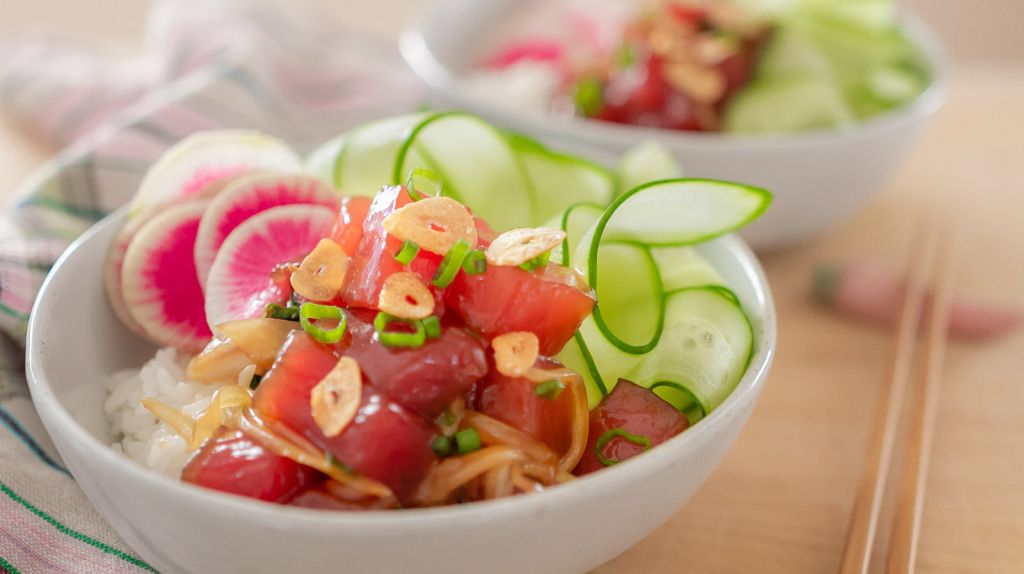
Cucumbers are about 95% water, making them one of the most hydrating vegetables. Tomatoes also have high water content and are rich in vitamins C and K. A simple salad with cucumbers, tomatoes, red onions, and a light vinaigrette is not only cooling but also packed with nutrients.
Mixed Greens with Citrus Dressing
Leafy greens like spinach, arugula, and romaine lettuce are perfect for summer salads. They are low in calories but high in vitamins and minerals. Adding a citrus dressing made from lemon or orange juice can enhance the flavors and provide an additional vitamin C boost. Top with some avocado for healthy fats and a creamy texture.
3. Cooling Dairy and Non-Dairy Options
Dairy and non-dairy products can offer cooling and refreshing options for summer diets.
Greek Yogurt: Protein-Packed and Versatile
Greek yogurt is a great source of protein and probiotics, which are beneficial for gut health. It can be enjoyed on its own, with fresh fruit, or as the base for smoothies. Its creamy texture and tangy flavor make it a versatile ingredient for various summer dishes.
Coconut Milk and Almond Milk Smoothies
Non-dairy milk alternatives like coconut milk and almond milk are perfect for creating light, refreshing smoothies. Combine them with fruits like mango, pineapple, or berries for a tropical treat. These smoothies are not only hydrating but also provide essential vitamins and minerals.
4. Hydrating Beverages
Staying hydrated is crucial during hot summer days, and certain beverages can help you achieve this while also offering nutritional benefits.
Infused Water
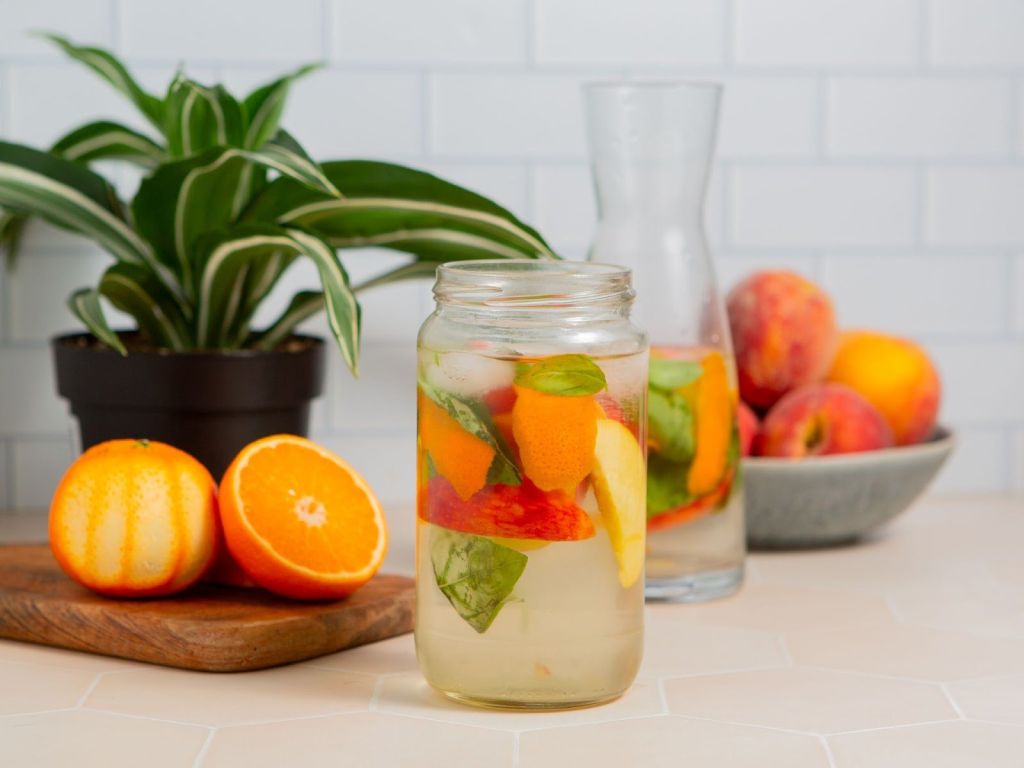
Water infused with fruits, herbs, and vegetables is a delicious way to stay hydrated. Combinations like cucumber and mint, lemon and basil, or strawberry and lime add a burst of flavor to plain water, making it more enjoyable to drink throughout the day. These infusions also provide a subtle intake of vitamins and antioxidants.
Iced Herbal Teas
Herbal teas such as chamomile, peppermint, or hibiscus can be brewed and chilled for a refreshing drink. These teas are naturally caffeine-free and offer various health benefits. For instance, peppermint tea can help with digestion and provide a cooling sensation, while hibiscus tea is rich in antioxidants and has a tangy flavor.
Conclusion
Choosing the right foods during hot summer days can help you stay cool, hydrated, and healthy. Fresh fruits like watermelon and berries provide essential hydration and nutrients, while light salads with cucumbers and tomatoes offer refreshing and nutritious meal options. Cooling dairy and non-dairy products, such as Greek yogurt and coconut milk smoothies, are perfect for a quick, nutritious snack. Finally, hydrating beverages like infused water and iced herbal teas can keep you refreshed throughout the day. By incorporating these foods into your diet, you can enjoy the summer months to the fullest while staying nourished and energized.

Exercise and Supplements for a Better Lifestyle

Seasonal Eating: What to Cook in Spring, Summer, Fall, and Winter

The Rise of Glamping: Luxury in the Wild

Fall is the Best Time To Plant Shade Trees

Cooking for Special Diets
The Regal Prince Oak: A Superior Columnar Choice
-
 Gardening2 years ago
Fall is the Best Time To Plant Shade Trees
-
 Food and Cooking2 years ago
Cooking for Special Diets
-
Gardening2 years ago
The Regal Prince Oak: A Superior Columnar Choice
-

 Food and Cooking2 years ago
The Allure of Korean Evodia: A Gardener’s Delight
-
 Food and Cooking2 years ago
Journey Through Global Flavors
-

 Gardening2 years ago
Guide to Growing and Enjoying Herb Gardens: History, Cultivation, and Practical Tips
-

 Gardening2 years ago
Top 4 Products For Your Home Garden
-

 Gardening2 years ago
Top Dressing Your Lawn: How to Level Uneven Terrain